
The Best TV Shows on Central Television USSR
Every Central Television USSR Show Ranked From Best To Worst
Premiering in 1962 and 1962, Fuse and Fitil (Film Magazine) are among Central Television USSR’s most celebrated shows. Central Television USSR has over 20 shows broadcast from as early as 1962 and as recent as 1988. Check out the most acclaimed shows on Central Television USSR, with a catalog of over 20 series updated for October 2026.
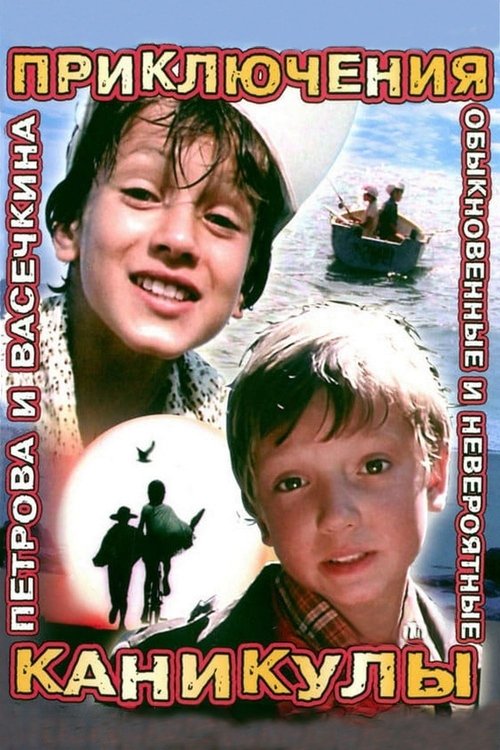 Приключения Петрова и Васечкина (1984)9.0
The story revolves around two young schoolboy pioneers, Petya Vasechkin and Vasya Petrov, as they navigate their attempts at self-discovery and their shared affection for their friend, Masha Startseva.
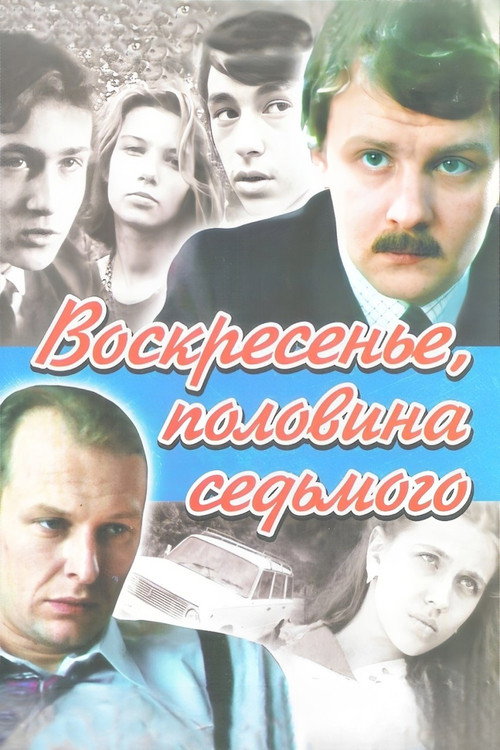 Sunday, Half Past Six (1988)9.0
Young lawyer Sergei Krasheninnikov is assigned to a case involving the death of a young woman. As he questions people who saw her on the day she died, Sergei begins to realize that there is much more to the story than meets the eye.
 What? Where? When? (1975)8.4
What? Where? When? is an intellectual game show well known in Russian-language media and other CIS states since mid-1970s. Today it is produced for television by TV Igra on the Russian Channel One and also exists as a competitive game played in clubs organized by the World Association of Clubs. Over 17 000 teams worldwide play sport version of game, based on the TV show.
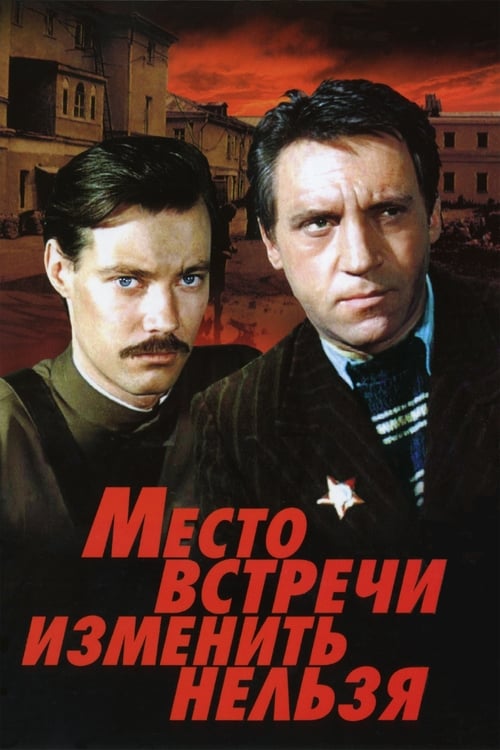 The Meeting Place Cannot Be Changed (1979)8.2
After WWII is over, a young officer Volodya Sharapov returns to Moscow to work in MUR - Moskovskiy Ugolovny Rozysk (Moscow Criminal Police). There he meets Gleb Zheglov who is a chief of a squad which fights organized crime. Their main task is to track down a gang "Chernaya Koshka" (Black Cat) which terrorizes the city. Also, they have to find out who murdered Larisa Gruzdeva. Zheglov believes it was her husband Ivan Gruzdev, but Sharapov has his doubts about it...
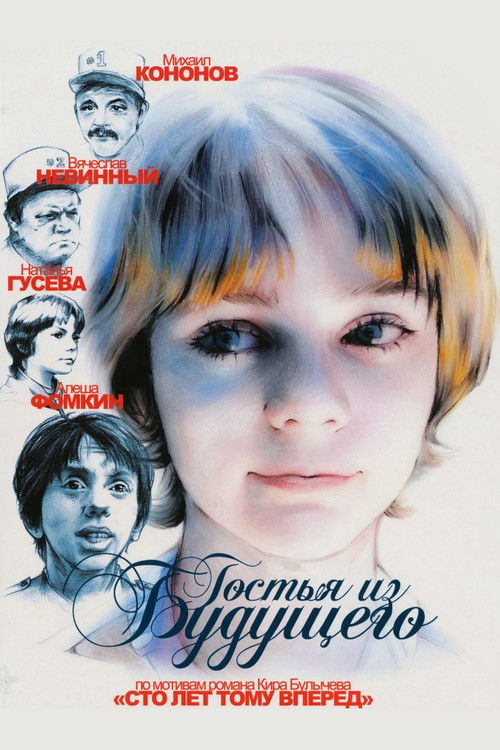 Guest from the Future (1985)8.1
Alice Seleznyova, a girl from the future, finds herself 1984. Following her are the space pirates Krys and Joker Y, with most nasty pirate's intentions. Coming to her help is an ordinary boy, Kolya, and his friends from 6th grade. Based on Kir Bulychyov's 1077 novel "One Hundred Years Ahead."
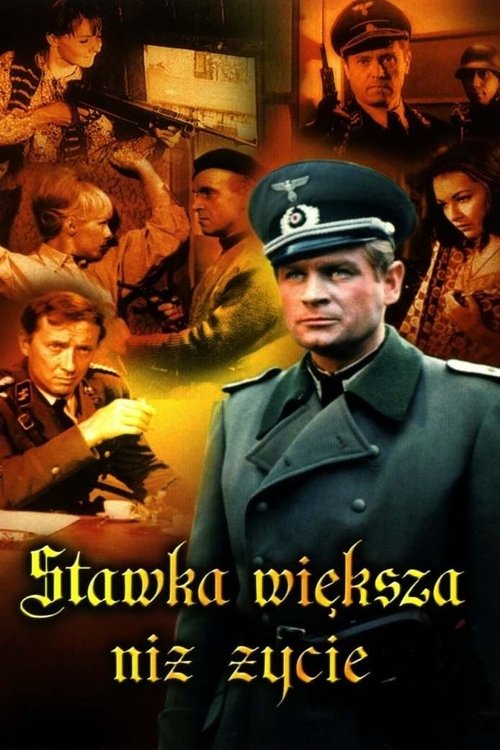 More Than Life At Stake (1968)8.0
A series about the adventures of a Polish secret agent, Hans Kloss, who acts as a double agent in the Abwehr during Second World War in occupied Poland.
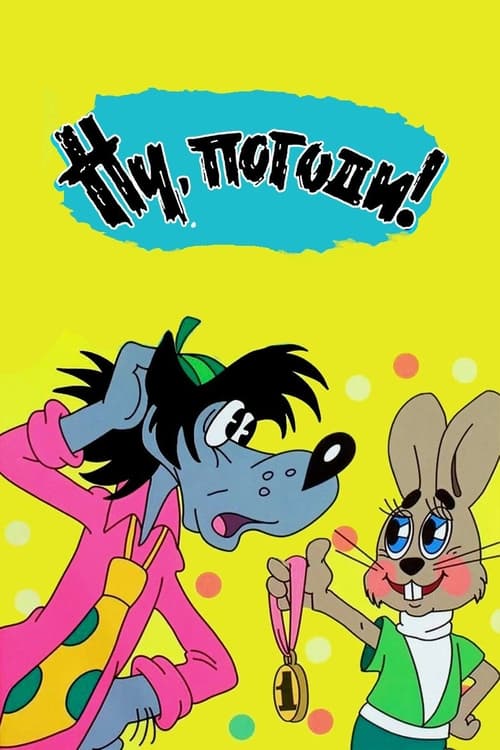 Well, Just You Wait! (1969)8.0
Follows the comical adventures of a mischievous yet artistic wolf [Volk], trying to catch a hare [Zayats]. The series has additional characters that usually either help the hare or interfere with the wolf's plans
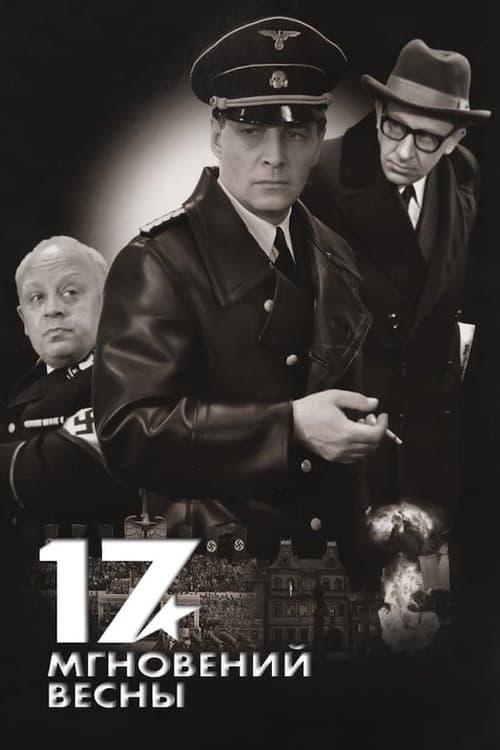 Seventeen Moments of Spring (1973)7.8
A Soviet spy is tasked with disrupting the negotiations between Karl Wolff and Allen Dulles taking place in Switzerland, aimed at forging a separate peace between Germany and the Western Allies.
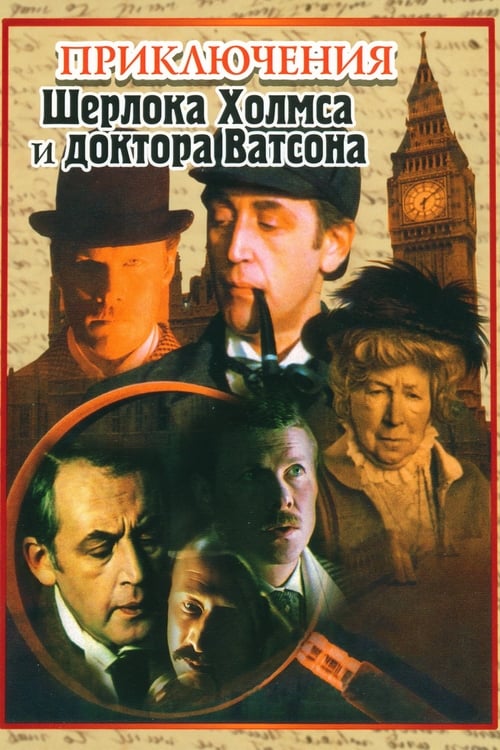 The Adventures of Sherlock Holmes and Dr. Watson (1980)7.8
The Adventures of Sherlock Holmes and Dr. Watson is a series of five films produced by Lenfilm for the Soviet Central Television, split into eleven episodes, starring Vasily Livanov as Sherlock Holmes and Vitaly Solomin as Dr. Watson. They were directed by Igor Maslennikov and filmed in Russia (the then Soviet Union) between 1979 and 1986, and the series was one of the most successful in the history of Russian television.
 Fuse (1962)7.6
Fitil is a popular Soviet/Russian television satirical/comedy short film series which ran for about 500 episodes. Some of the episodes were aimed at children, and were called Фитилёк, Fitilyok, Little Fuse. Each issue contained from the few short segments: documentary, fictional and animated ones. Directed by various artists, including Leonid Gaidai who presented his famous trio of Nikulin, Vitsin and Morgunov into the cast. It was called in USSR as "the anecdotes from the Soviet government".
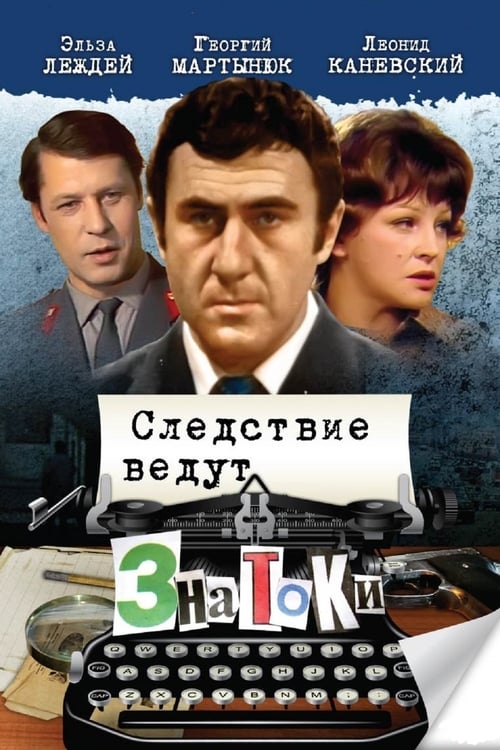 Investigation Held by ZnaToKi (1971)7.6
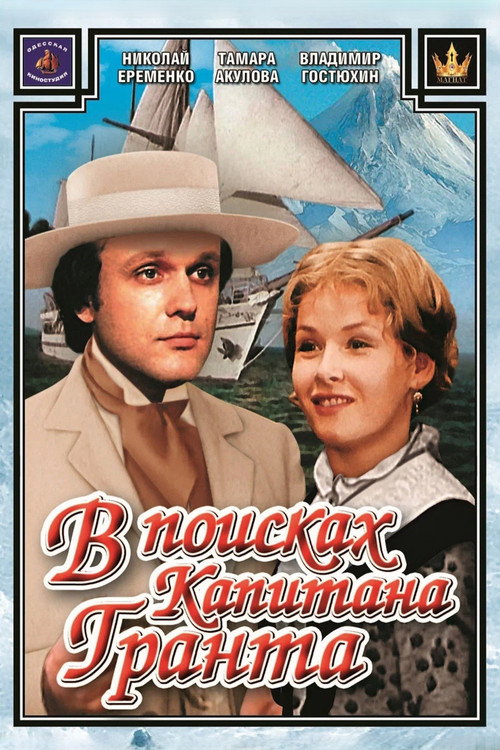 In Search of Captain Grant (1985)7.6
Lord and Lady Glenarvan found a bottle in the ocean. This bottle contained a letter from Captain Grant that he and two of his sailors had survived a disaster at sea and need help. Unfortunately, the letter was damaged by water, and the latitude is known (37 degrees), but not the longitude. The Glenarvans decide to find Captain Grant.
 Fitil (Film Magazine) (1962)7.5
A satirical film magazine produced by various film studios in the USSR from 1962 to 1991 and in the CIS from 1992 to 2003. The magazine's issues consisted of various stories: feature films, documentaries (with dubbed characters), and cartoons.
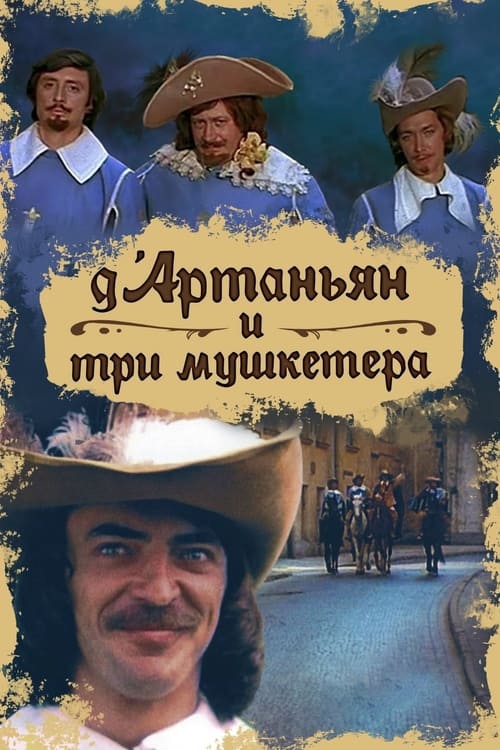 D'Artagnan and Three Musketeers (1979)7.2
The musketeers battle against the all-powerful Cardinal Richelieu and the treacherous Milady.
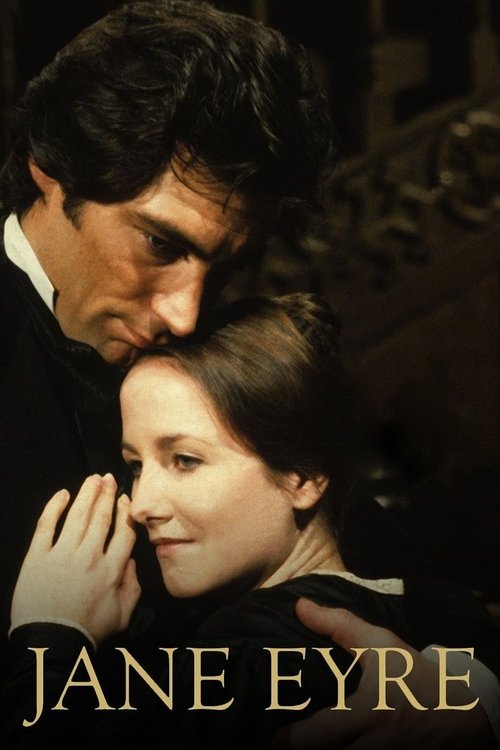 Jane Eyre (1983)7.1
After a bleak childhood, Jane Eyre goes out into the world to become a governess. As she lives happily in her new position at Thornfield Hall, she meets the dark, cold, and abrupt master of the house, Edward Rochester. Jane and her employer grow close in friendship and she soon finds herself falling in love with him. Happiness seems to have found Jane at last, but could Rochester's terrible secret be about to destroy it forever?
 The Life of Klim Samgin (1988)7.0
The life of the intellectual Samgin, depicted against the backdrop of the grand panorama of Russian life from 1877 to 1917.
 KVN Major League (1986)6.9
KVN is a Russian humour TV show and competition where teams compete by giving funny answers to questions and showing prepared sketches. The programme was first aired by the First Soviet Channel on November 8, 1961. Eleven years later, in 1972, when few programmes were being broadcast live, Soviet censors found the students' impromptu jokes offensive and anti-Soviet and banned KVN. The show was revived fourteen years later during the Perestroika era in 1986, with Alexander Maslyakov as its host. It is one of the longest-running TV programmes on Russian Television. It also has its own holiday on November 8, the birthday of the game, which KVN players celebrate every year since it was announced and widely celebrated for the first time in 2001.
 Yeralash (1974)6.6
The children's humorous film magazine "Yeralash" is a one-of-a-kind work of cinematography that ironically approaches the solution of everyday problems, focusing on the views and needs of modern society, allowing different generations to achieve mutual understanding.
 Time (1968)3.5
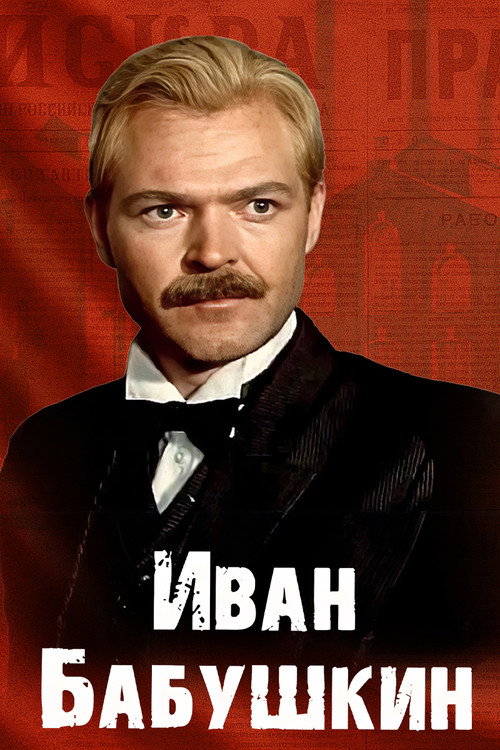 Ivan Babushkin (1986)N/A
The series is based on the novel by A. Borshchagovsky "Sechen". About the life and work of the professional revolutionary, Bolshevik Ivan Vasilyevich Babushkin.